
Japan
Traditions, Art Islands and Culinary Cities
Japan moves gracefully between worlds — vibrant cities and quiet temples, centuries-old traditions and contemporary design. Traveling across the country by bullet train reveals layered cultures where each region carries its own rhythm of life.

(Autumn colors reflected in a tranquil Japanese garden)
Tokyo introduces the journey with its dynamic mix of historic neighborhoods, modern architecture and one of the world’s most compelling culinary scenes. From serene temple courtyards to Michelin-starred sushi counters, the city reveals Japan’s deep reverence for craftsmanship and detail. High above the city, Aman Tokyo offers a calm sanctuary where minimalist design and sweeping skyline views provide a quiet contrast to the energy below.
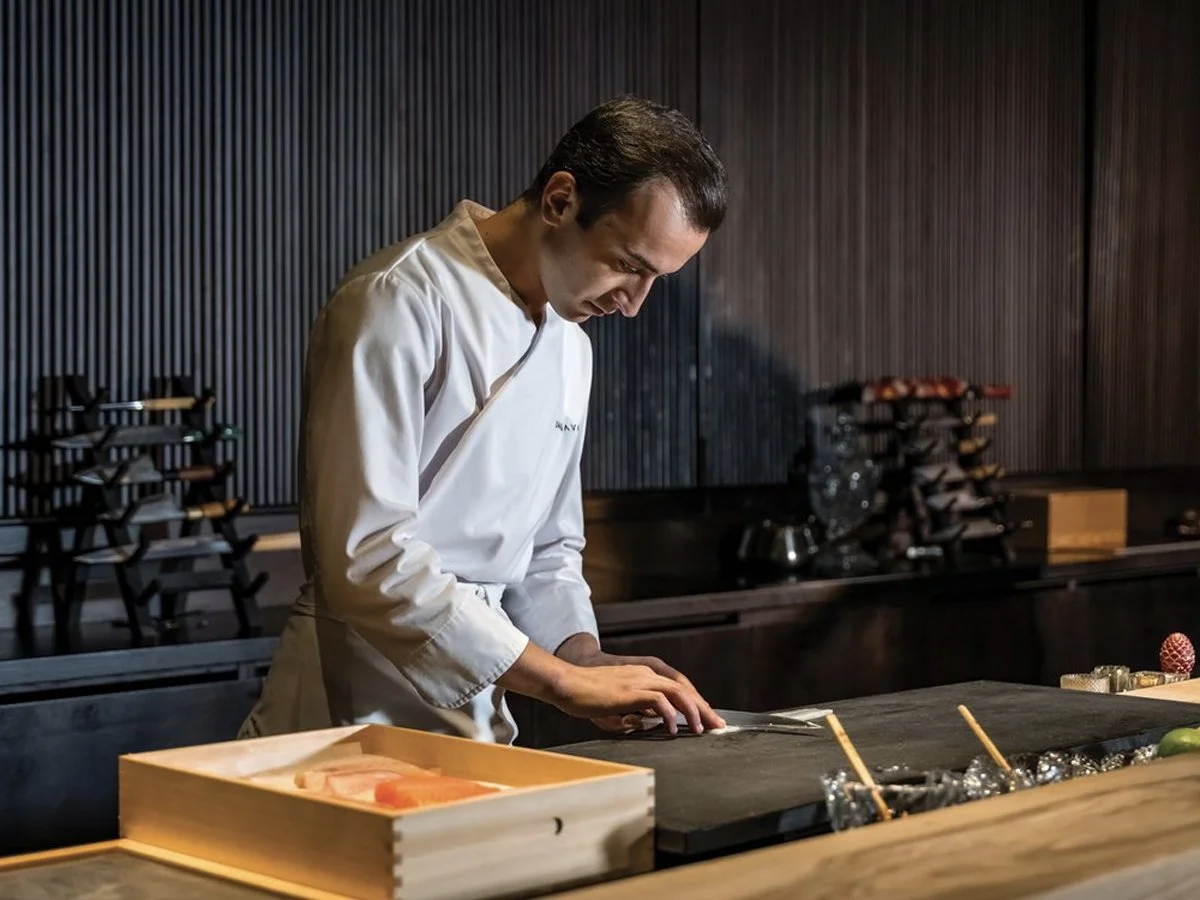
(Sushi chef preparing fresh nigiri during an omakase dining experience in Tokyo)
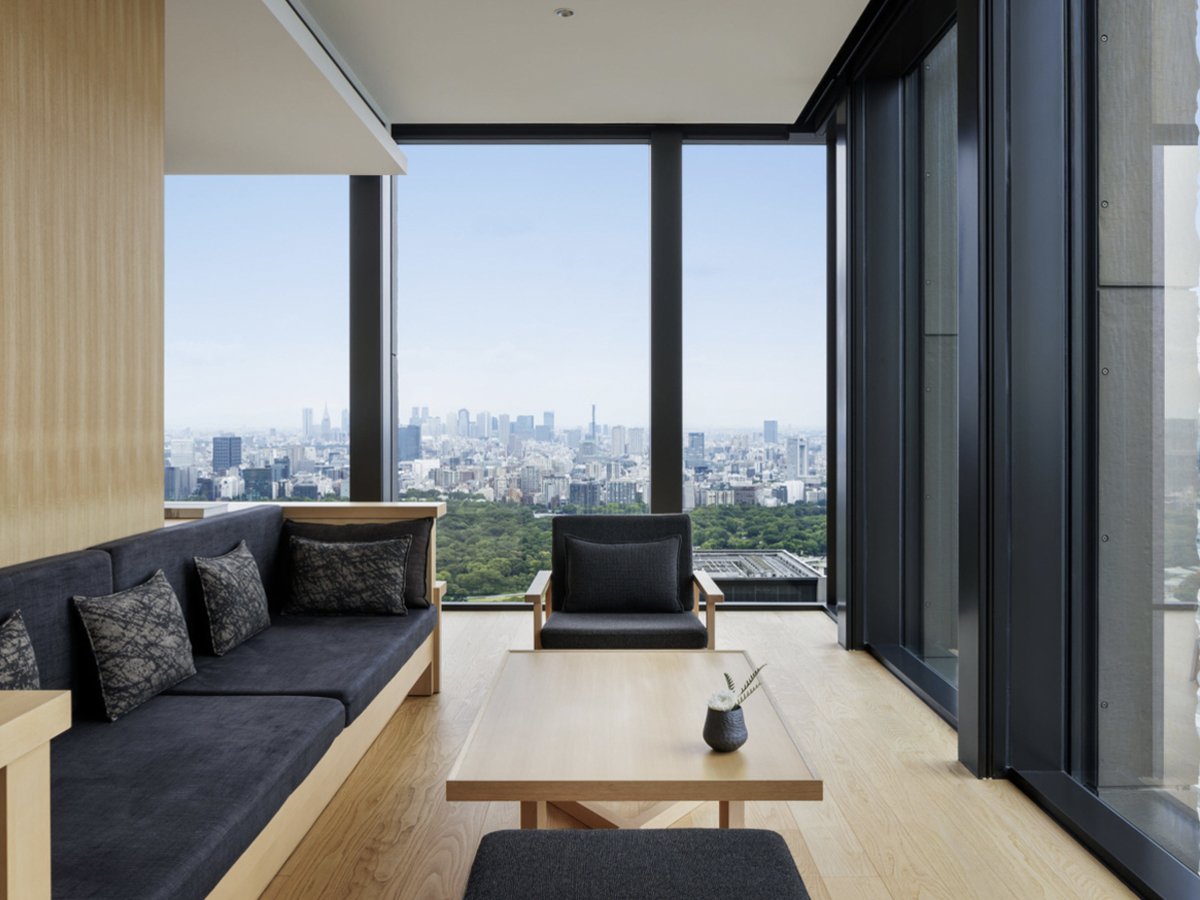
(View across Tokyo’s skyline from Aman Tokyo, where floor-to-ceiling windows frame the city from above)
Leaving the capital, the journey turns toward the landscapes surrounding Mount Fuji. The pace slows in the quiet setting of a traditional ryokan, where evenings unfold around natural hot springs and seasonal kaiseki dinners prepared with extraordinary precision. One of Japan’s most celebrated historic inns, Asaba Ryokan overlooks a tranquil pond and an outdoor Noh stage — a setting that reflects centuries of refined Japanese hospitality.
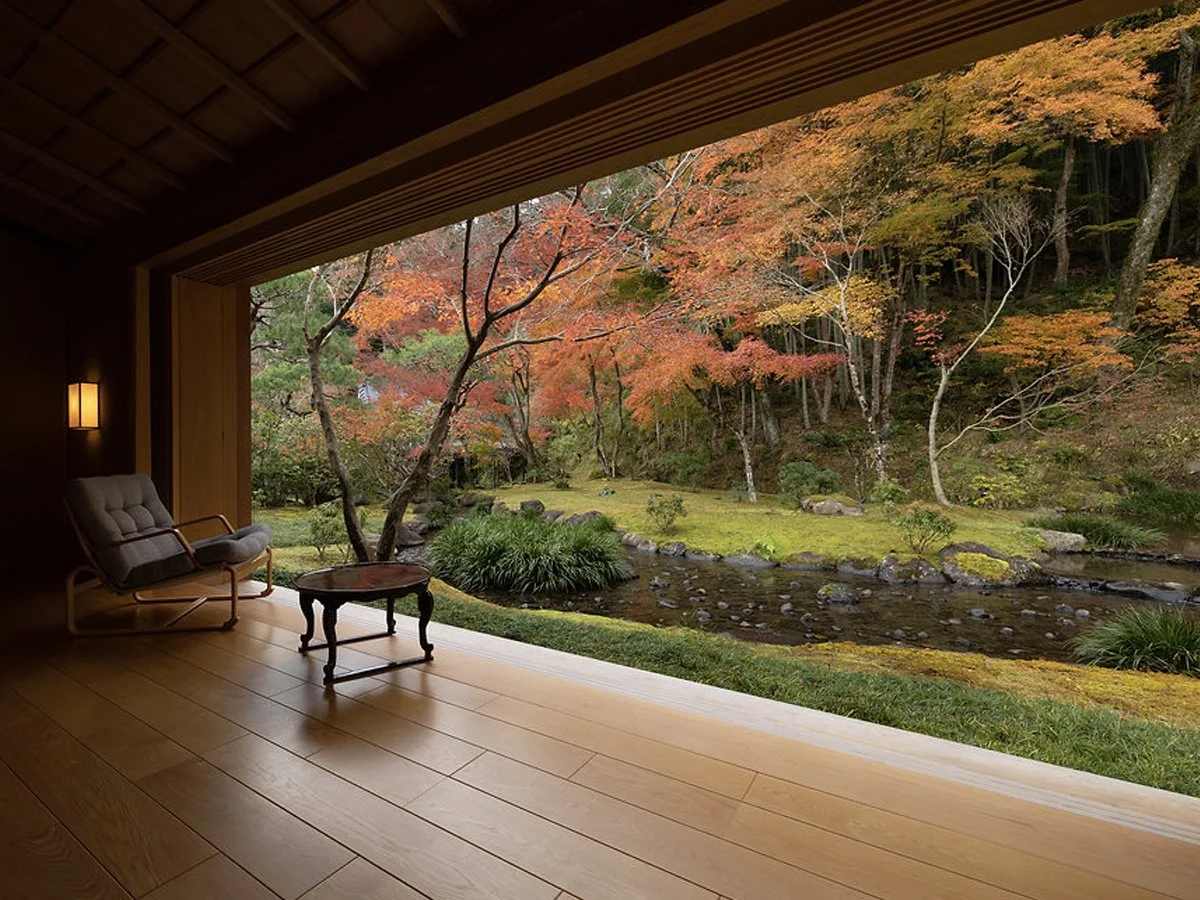
(Autumn garden views from a guest room at Asaba Ryokan in Shuzenji)
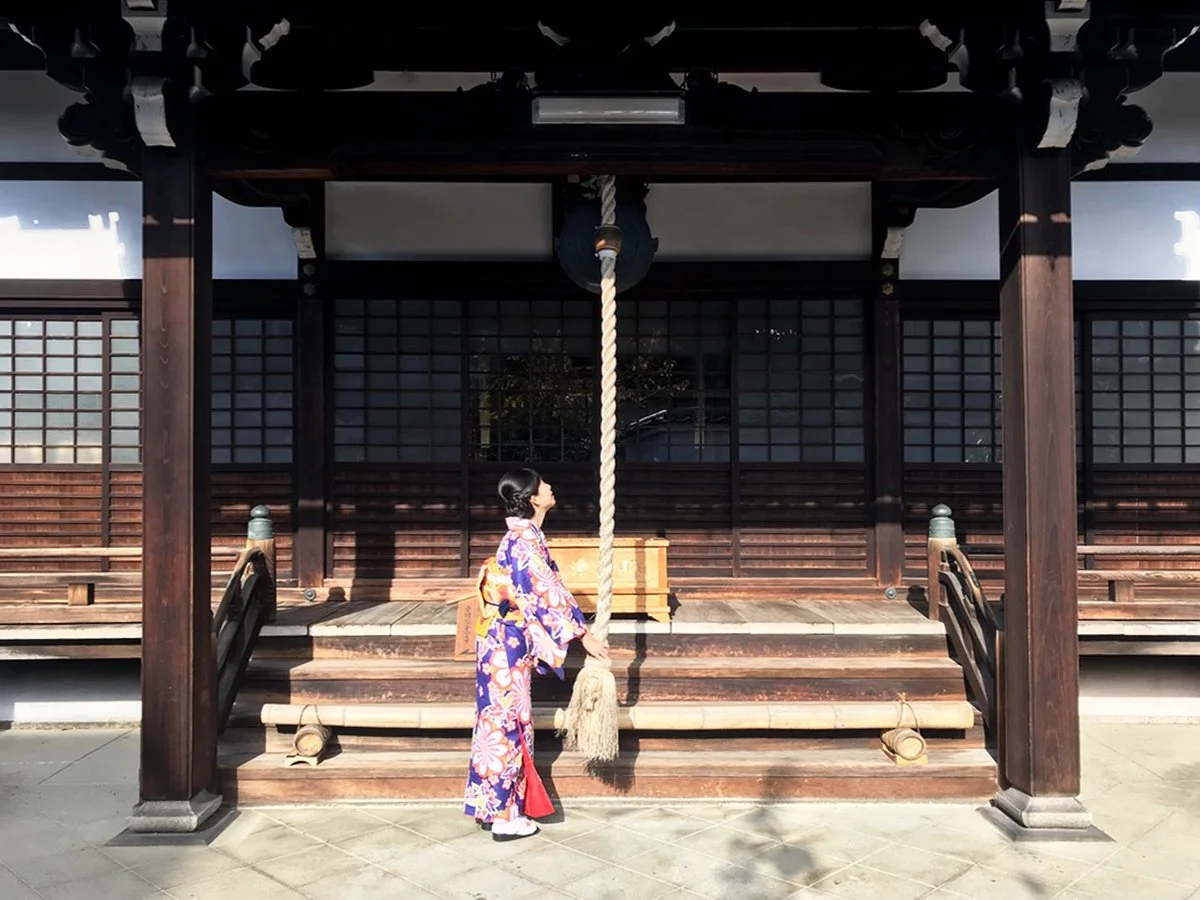
FThe route continues west to Kyoto, the cultural heart of Japan. Narrow streets lined with wooden machiya houses lead to temples, gardens and preserved districts where centuries-old traditions remain woven into daily life. Walking through Kyoto in a traditional kimono offers a glimpse into the quiet grace that defines the former imperial capital.
(Experiencing Kyoto’s historic districts in traditional kimono)
Further south, the islands of the Seto Inland Sea introduce an entirely different atmosphere. On Naoshima, contemporary art and architecture merge seamlessly with the natural landscape. Museums designed by renowned architects sit quietly along the coastline, and travelers can stay within the museum itself at Benesse House — experiencing the island in its most peaceful hours after day visitors depart.
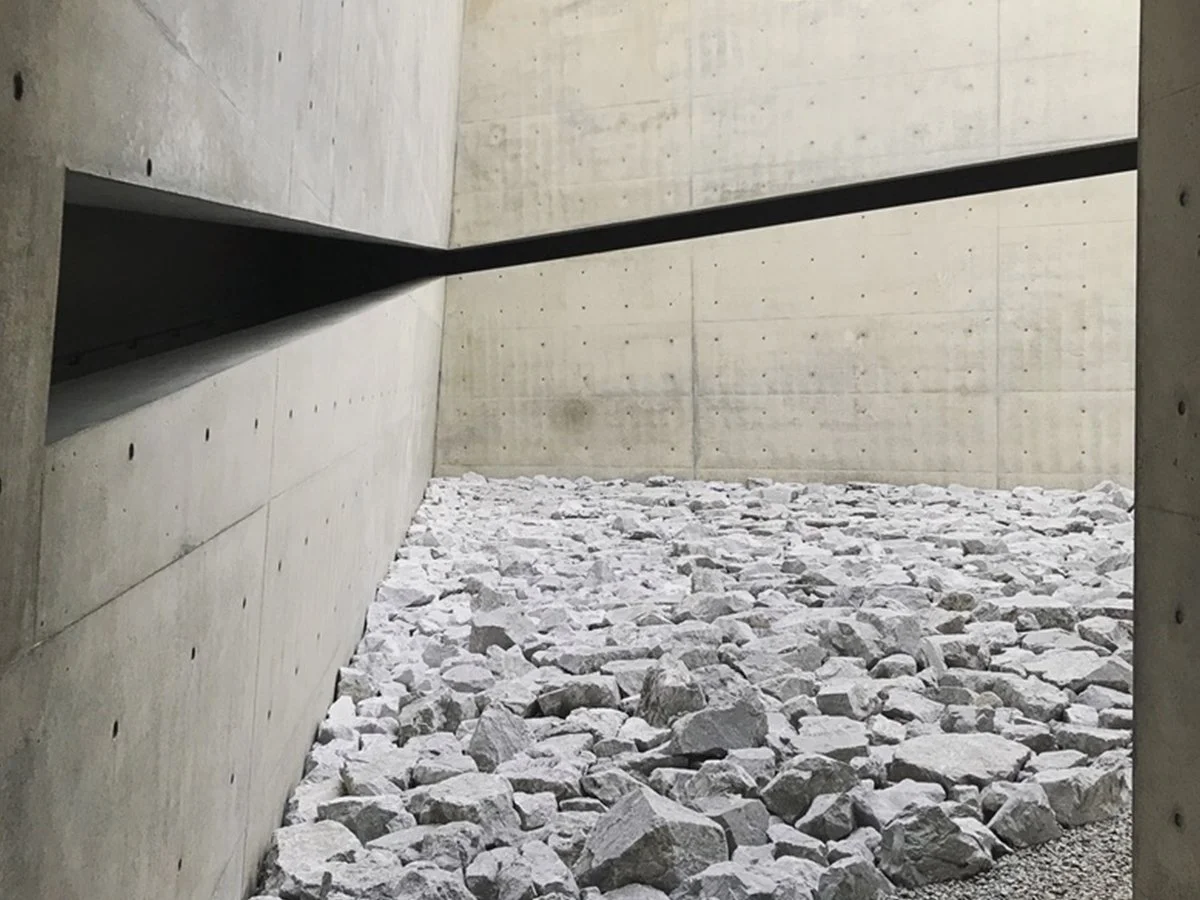
(Minimalist architecture by Tadao Ando on Naoshima, where art and landscape meet along the Seto Inland Sea)
The journey concludes in Osaka, a city celebrated for its vibrant energy and extraordinary food culture. From bustling street markets to neighborhood restaurants and late-night izakayas, Osaka offers a lively finale and a final glimpse into Japan’s deeply rooted culinary traditions.
Moving between cities, landscapes and artistic spaces reveals a country defined by both refinement and contrast — where tradition and innovation exist effortlessly side by side.
Distinctive Stays
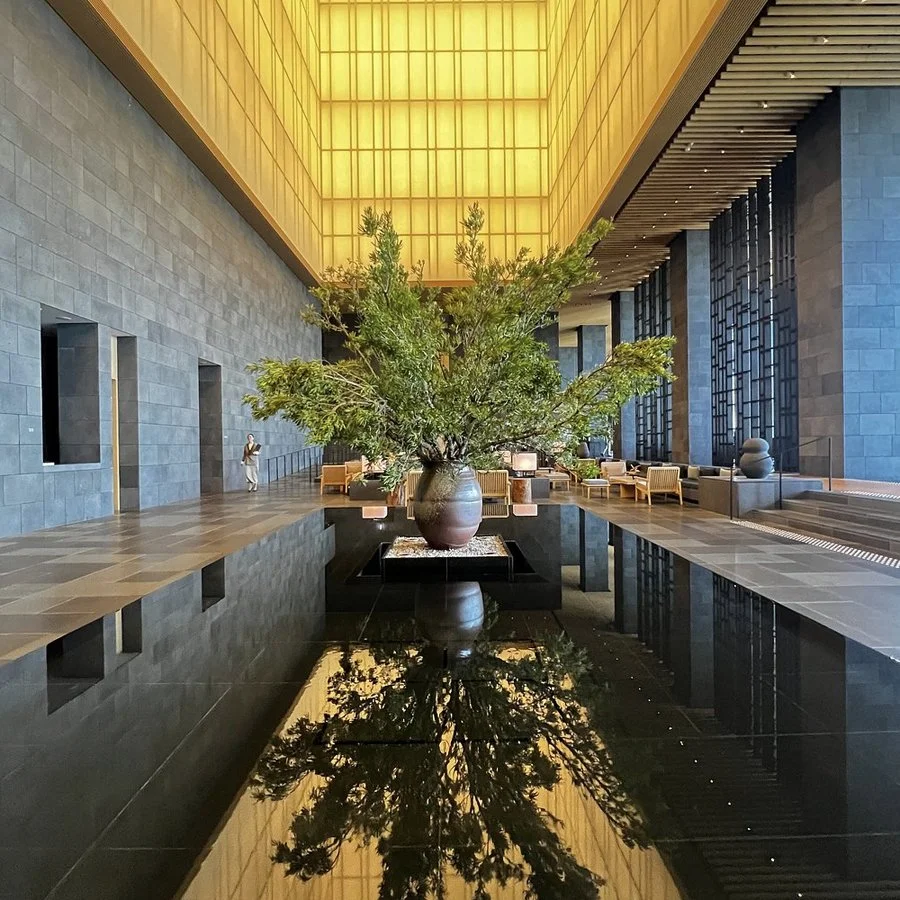
(The soaring lobby of Aman Tokyo inspired by traditional Japanese washi lanterns.)
Benesse House — Naoshima
A museum hotel where contemporary art and architecture form part of the guest experience.
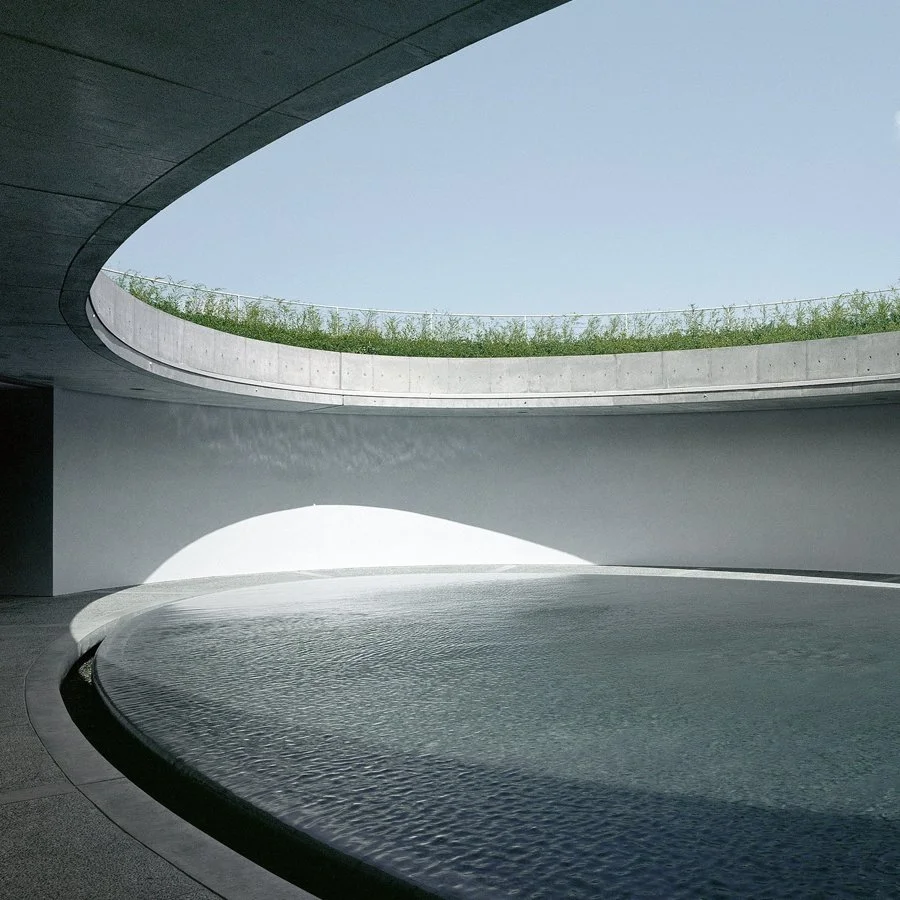
( Minimalist architecture and reflecting pool at Benesse House on Naoshima)
Asaba Ryokan — Mount Fuji Region
A centuries-old ryokan overlooking a tranquil pond and Noh stage, celebrated for refined hospitality.
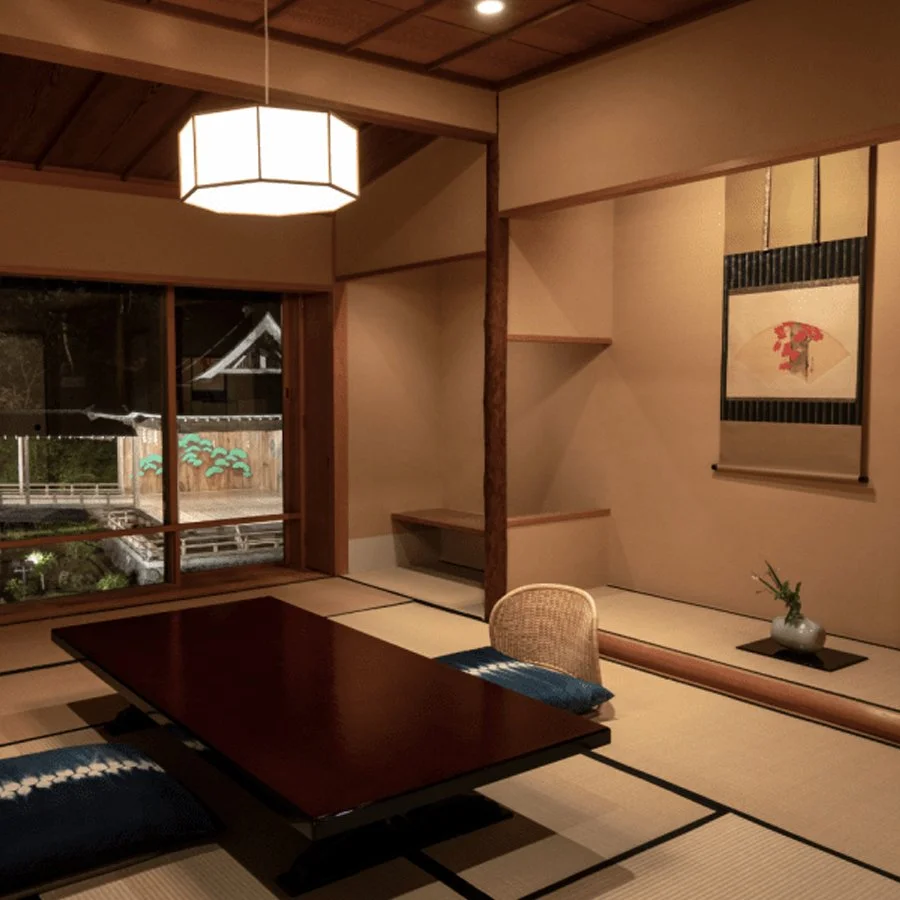
(Traditional tatami guest room at Asaba Ryokan overlooking a garden)
or simply reserve your stay with Maison Travel to enjoy preferred amenities and added privileges
Plan a Similar Journey
Every Maison Travel itinerary is thoughtfully designed around your interests, pace and preferred style of travel.